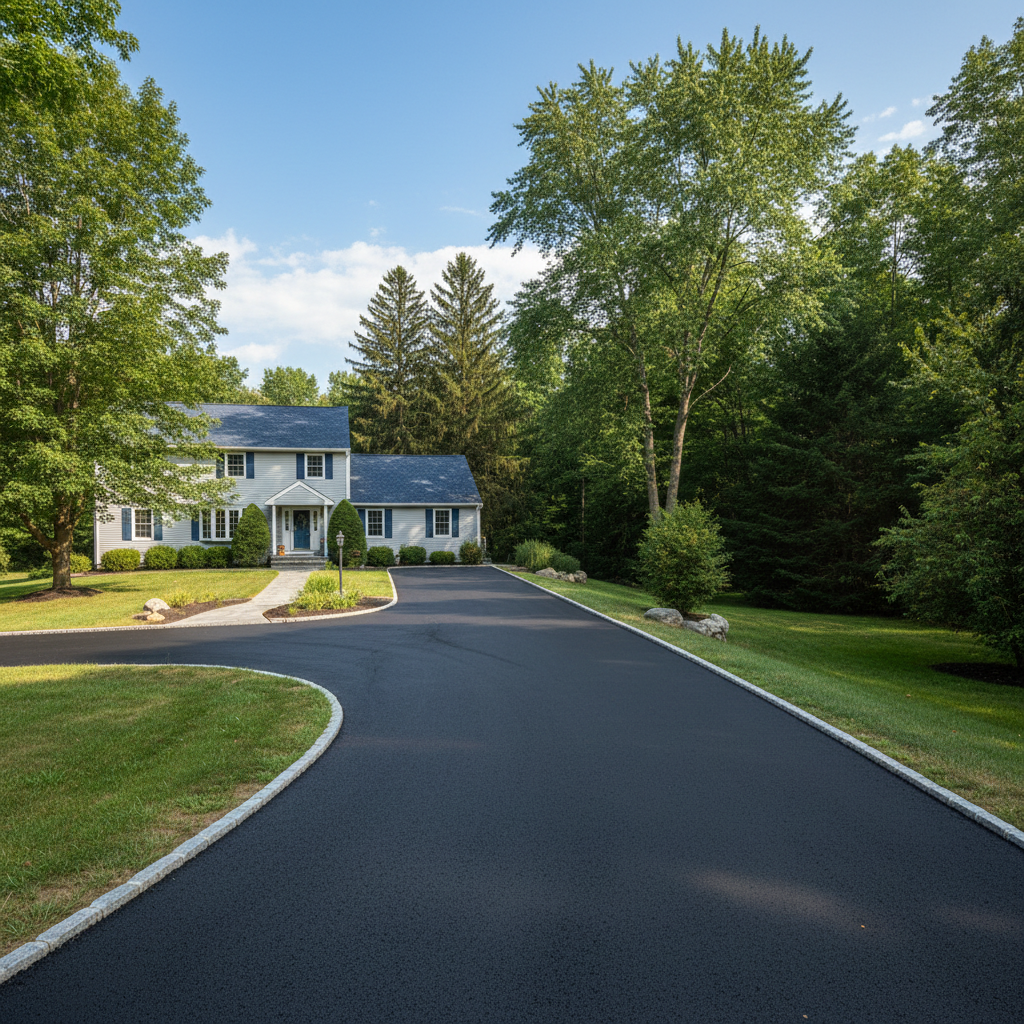
Finding a good asphalt contractor isn't always as simple as picking the first name in a Google search. You're putting a good chunk of change into your property, whether it's a new driveway, a repair, or a sealcoat job. You want it done right, and you want it to last, right? I've been in this business a long time, and I've seen the good, the bad, and the truly awful. Here's what you need to know to protect your investment and find a contractor you can actually trust.
What Should You Be Asking?
Don't be shy about asking questions. A reputable contractor will expect them and be happy to answer. If they get defensive, that's your first big red flag.
Are you licensed and insured? This isn't something you can skip. They need general liability insurance to cover property damage or injuries, and workers' comp if they have employees. Ask for proof, not just a verbal 'yes.' Seriously, get the paperwork.
Can you provide references? Good contractors have happy customers. Ask for a few recent ones you can call, or even drive by to see their work. I'd rather you see our work firsthand than just take my word for it.
What's your process for this specific job? For a new driveway, ask about excavation, base preparation, asphalt thickness, and compaction. If it's a repair, ask how they'll address the underlying issue, not just patch over it. There's a big difference.
What's the warranty? A solid contractor stands behind their work. Understand what's covered and for how long. A year is pretty standard for new installs, by the way.
How do you handle unforeseen issues? Sometimes you dig into a driveway and find a surprise, like a buried stump or a drainage problem. Talk about how they communicate these things and adjust the plan (and cost) if necessary.
Decoding the Quote: What to Look For
A quote isn't just a number; it's a detailed plan. If it's just a single line item, well, just walk away. A good quote should be itemized and clear.
Detailed Scope of Work: It should clearly describe everything they're going to do. For a new driveway, this means square footage, depth of excavation, type and depth of base material (like compacted gravel), asphalt type (binder, surface course), and thickness of each layer. If it's a repair, it should specify the repair method.
Materials Specified: What kind of asphalt mix are they using? What's the aggregate base? This really matters for how long it'll last.
Timeline: When will they start? How long will it take? What are the payment terms (e.g., deposit, progress payments, final payment)?
Inclusions and Exclusions: What's included in the price? What isn't? For example, is site cleanup included? What about permits, if you need them?
Total Cost & Payment Schedule: Obvious, but make sure it's clear. Never pay the full amount upfront. That's just asking for trouble.
Watch Out for These Red Flags
Some things just scream 'trouble.' Pay attention to your gut feeling, too.
Door-to-Door Solicitations: If someone shows up unannounced, claiming they just finished a job down the street and have leftover material, be very wary. This is a classic scam, plain and simple.
High-Pressure Sales: