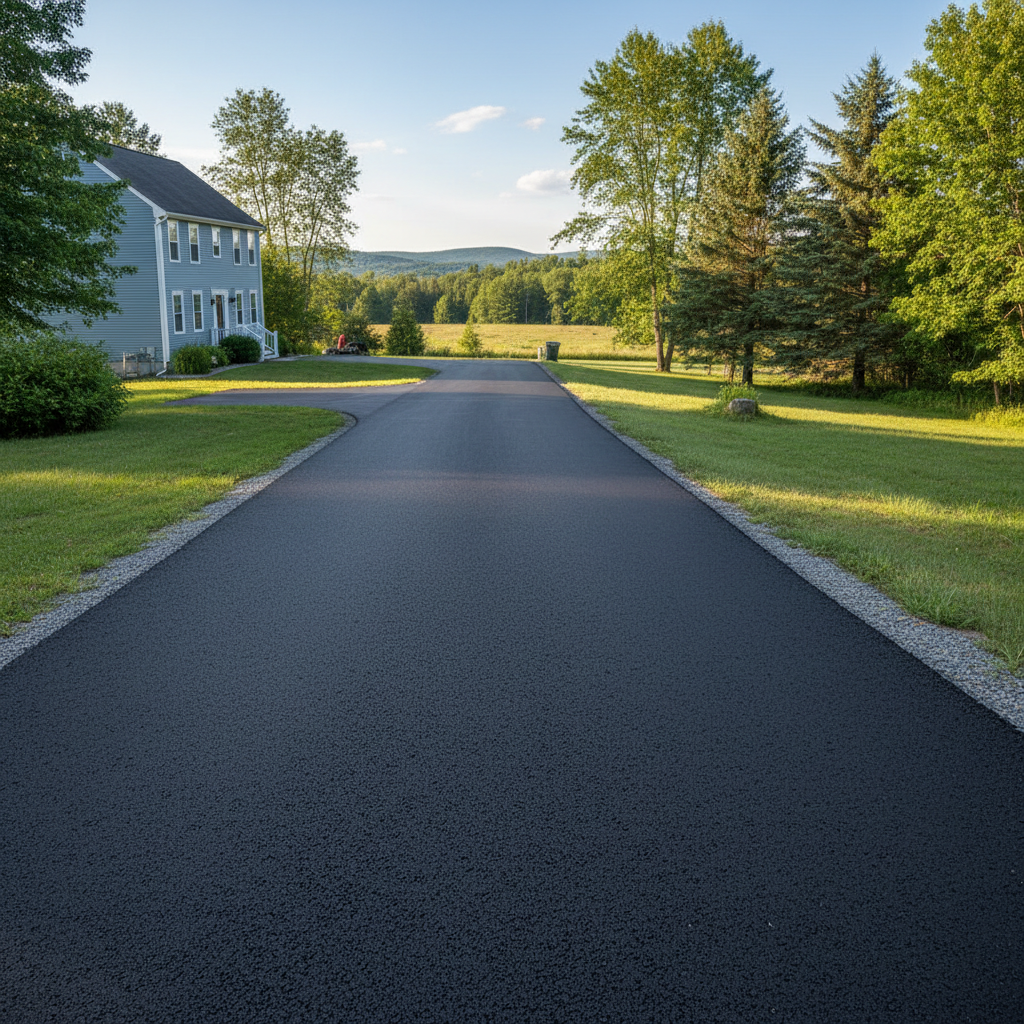
You just invested in a new driveway, or maybe you're trying to squeeze a few more years out of an older one. Either way, you want it to last, right? Up here in Morrisonville, with our brutal winters and hot, humid summers, a driveway really takes a beating. It's not just about the initial paving job; how you treat it afterward makes a huge difference in its lifespan.
Protecting Your Investment from Day One
When you get a brand new asphalt driveway, the first thing you need to do is give it some time. Don't drive on it for at least 2-3 days, and sometimes even longer if it's been particularly hot and sunny. That fresh asphalt needs to cure and harden properly. You definitely don't want to be making sharp turns or parking heavy vehicles on it too soon, or you'll leave tire marks and indentations that'll be there forever.
Once it's cured, be mindful of heavy loads. Sure, your driveway is designed for cars and trucks, but constantly parking an RV or a loaded dump trailer in the same spot, especially in the summer heat, can cause depressions over time. Distribute the weight if you can, or consider a dedicated, reinforced pad for those extra-heavy items. It's worth it.
Another big one is chemicals. Oil leaks, gasoline spills, and even some harsh cleaning products can soften and break down asphalt. Clean up any spills immediately. A little kitty litter or sand can absorb fresh spills; then sweep it up. Don't let it sit and soak in.
Regular Maintenance: Your Driveway's Best Friend
Think of your driveway like your car; it needs regular attention. Here's what I tell folks:
- Keep it Clean: Sweep off dirt, leaves, and debris regularly. Organic matter can trap moisture, and when that moisture freezes and thaws, it's a real problem. Plus, dirt and grit can act like sandpaper, slowly wearing down the surface.
- Sealcoating: This is probably the most important maintenance step you can take. A good sealcoat every 2-3 years (depending on traffic and wear) protects your asphalt from UV rays, water penetration, and chemical spills. It's like sunscreen and a rain jacket for your driveway. It also restores that rich, black color, which helps it absorb heat and stay a bit more pliable in our cold winters.
- Crack Filling: As soon as you see a crack, fill it. Water is the enemy of asphalt. It seeps into those cracks, freezes, expands, and then thaws, creating bigger cracks and eventually potholes. It's a never-ending cycle if you don't stop it early. Small cracks are cheap and easy to fix; big potholes are not.
- Edge Protection: The edges of your driveway are often the weakest points. If you've got a gravel shoulder, keep it built up to support the asphalt edge. If you've got lawn, make sure you're not constantly driving off the edge, which can cause it to crumble.
Warning Signs: When to Pay Closer Attention
Your driveway will tell you when it's hurting, if you know what to look for:
- Alligator Cracking: This looks like a series of interconnected cracks, much like an alligator's skin. It usually means the base layer beneath the asphalt is failing, or the asphalt itself is severely fatigued. This isn't a quick fix with crack filler; it often requires patching or even a full replacement of that section.
- Potholes: We all know these. They start small, usually from an unaddressed crack, and grow quickly. They're not just an eyesore; they're a hazard and a clear sign of water damage and base failure.
- Raveling: This is when the aggregate (the small stones) starts to come loose from the asphalt binder, making the surface rough and pitted. It's a sign of surface wear and tear, often from age, UV damage, or poor sealcoating.
- Fading and Discoloration: If your driveway is looking gray instead of black, it's losing its protective oils and is more vulnerable to UV damage and water penetration. Time for a sealcoat!
- Standing Water: If you have puddles that don't drain after a rain, it means your driveway isn't graded properly or has developed depressions. Standing water will accelerate deterioration.
When to Call a Professional (Like Us!)
Look, some things you can handle yourself, like sweeping or even small crack filling. But there are times when you absolutely need to call in the pros. If you're seeing extensive alligator cracking, large potholes, significant raveling, or widespread drainage issues, it's beyond a DIY job. Trying to fix these yourself with off-the-shelf products usually just delays the inevitable, and sometimes it can even make things worse.
We've seen it all here in Morrisonville, from driveways on sandy soil near the lake to those on heavier clay further inland. We know how our local freeze-thaw cycles impact asphalt. If you're unsure about the best course of action, or if you're seeing any of those major warning signs, don't hesitate to give Morrisonville Asphalt Solutions a call. We're happy to come out, take a look, and give you an honest assessment of what your driveway needs to stay in great shape for years to come.